
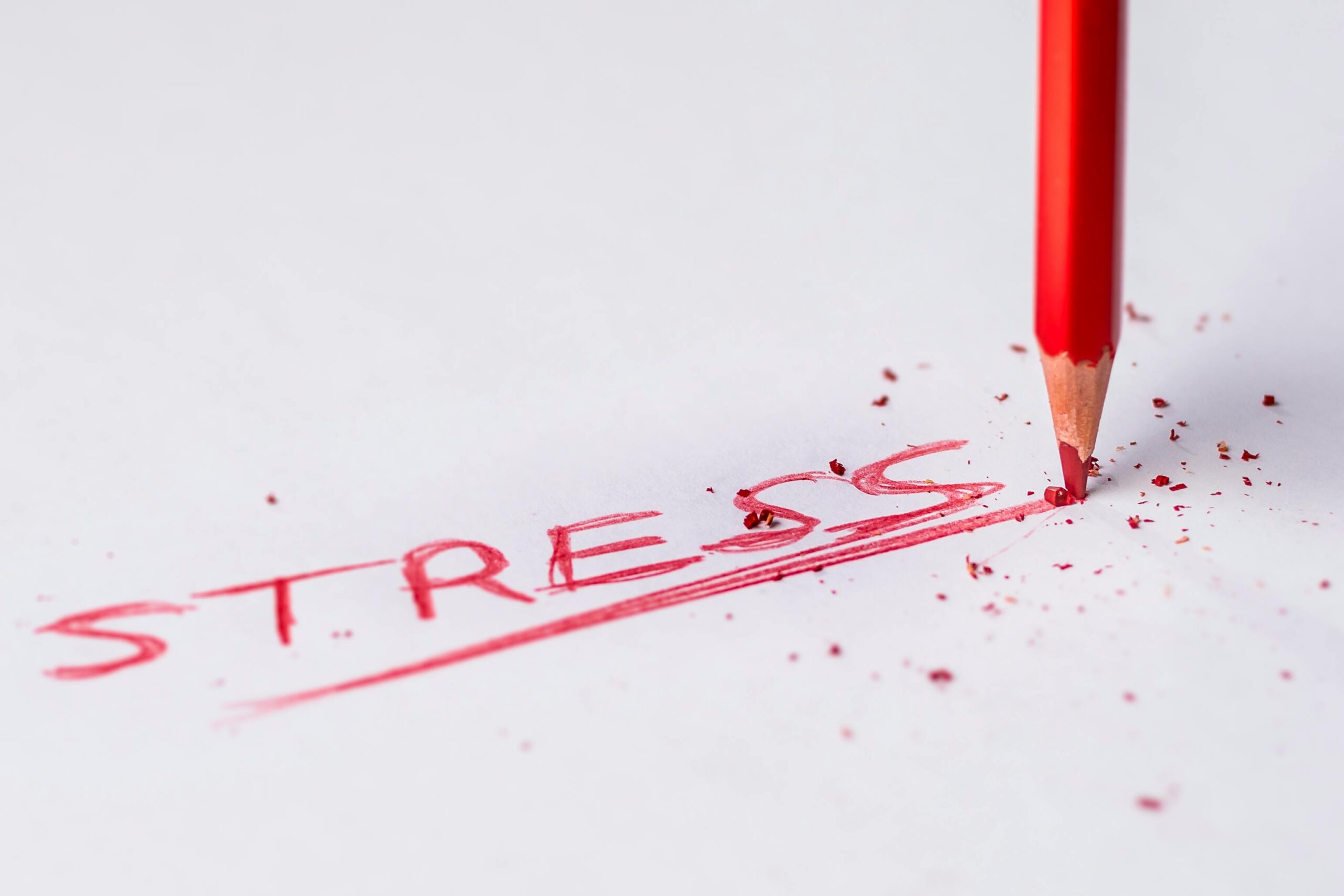
Stress is a natural reaction of our body and, as it accompanies us throughout our lives, it is worth learning more about it and adopting appropriate stress reduction strategies.

There is probably no person in the world who has not experienced some kind of stress reaction in their life, as stress is the body’s natural physiological response to external stimuli and events that are new or threatening. Stress reactions are triggered by stimuli or circumstances that disturb or threaten the physical or psychological equilibrium or safety of a particular living being, whether human or animal. The external influences, stimuli, events that trigger a stress response are called stressors, which can come from all walks of life. So, the stress response is a response, and since stress cannot be eliminated, we should rather focus on effective stress management.
Know your stress!
For the significant role that stress plays in quality of life and life as a whole, it has only been a century since this complex physiological process was first identified. Two of the most important figures in this scientific discovery were American physiologist and researcher Walter Cannon and Austro-Hungarian-born Canadian chemist, internist and endocrinologist János Selye (Hans Selye). For example, Cannon identified the body’s ‘fight or flight’ response in the 1920s, recognising that environmental influences trigger different physiological responses in the body. And in the following decade, János Selye made significant advances in the scientific understanding of stress, including the development of the theory of the so-called general adaptation syndrome, one of the key elements of which was the description of the three phases of the stress response. It is worth briefly reviewing these phases to understand the stress process and the role it can play in our quality of life.
The three phases
1. Alarm: in the first phase, our body detects the presence of the stressor and activates the “fight or flight” response. Our body reacts quickly to stress with different physiological changes.
2. Resistance: in the continued presence of a stressor, our body will adapt and resist, continuing to function at a high level in order to cope effectively with stress.
3. Exhaustion: if the stressors that trigger the stress response are present for a prolonged period of time, and our body is unable to adapt or recover to its original resting state, our body’s resources are depleted in this phase, further reducing the chances of coping effectively with stress.
Selye and Cannon also recognised, however, that the effects of stress can be more than just damaging to our bodies.
Two types of stress
Our brain constantly scans our environment and if it detects a stimulus that is perceived as threatening or dangerous, it triggers a stress response. At the same time, if we feel that we can come out of the situation as winners, we experience positive stress (eustress), but if we feel that we could have a problem, we experience negative stress (distress). To a certain extent, the reactions that certain events and stimuli trigger in whom depend on a combination of individual factors and characteristics and previous experiences. Let’s look at what positive and negative stress mean.
Positive stress is stimulating and motivating, encouraging us to take action and take on challenges. In a given situation, it enhances our performance and supports us to function more efficiently. Another important feature of eustress is that it is short-term and temporary, only appearing and having an effect in the moment. For example, when we are preparing for a presentation, an exam, starting a new project, or standing in the starting zone for the first marathon of our lives, we are likely to experience positive stress. Negative stress, on the other hand, is particularly damaging to our quality of life and, if it persists, it can be detrimental to our health, and is known to be a risk factor for a number of diseases. It also reduces our cognitive abilities, has a negative impact on our emotions and can even be a precursor to frustration, anxiety and depression. When negative stress is present over a long period of time, as John Selye discovered, it depletes our bodies. Problems at work, long-term unemployment, insecurity and difficulty adapting to change, interpersonal and family conflicts can all be triggers of negative stress.
How do we manage stress well?
As we have already pointed out, it is mainly our past experiences and reactions that determine how a particular stimulus or event affects our lives. This also means that a stressor that is motivating for us may cause frustration in others.
However, it is worth looking at ways to manage stress, as the more we can cope with different difficult situations, the more we can do for our health and well-being. There are many ways to manage stress, but it is worth trying to find the ones that work best for you.
Here are a few known techniques:
Self-awareness: identifying and overriding stressful beliefs and negative thoughts, and reactions to different situations, can significantly reduce stress.
Meditation and breathing exercises: meditation and deep breathing can help you relax and reduce stress levels.
Physical activity: regular exercise is an excellent stress management technique as it helps to release mood-boosting endorphins, thereby reducing stress.
Healthy lifestyle: eating a healthy diet, getting enough sleep and maintaining adequate hydration can help reduce stress and increase overall well-being.
Humour and laughter: laughter has a positive effect on mood and can therefore reduce stress.
Time management and prioritisation: lack of time is one of the most common sources of stress, so using good time management techniques and prioritising is one of the most important stress reduction practices.
Professional support: if necessary, seek the support of a professional – psychologist or psychiatrist – to pinpoint the source of stress and develop effective stress management.
Source: Semmelweis Health Promotion Centre, Budapest, Hungary