
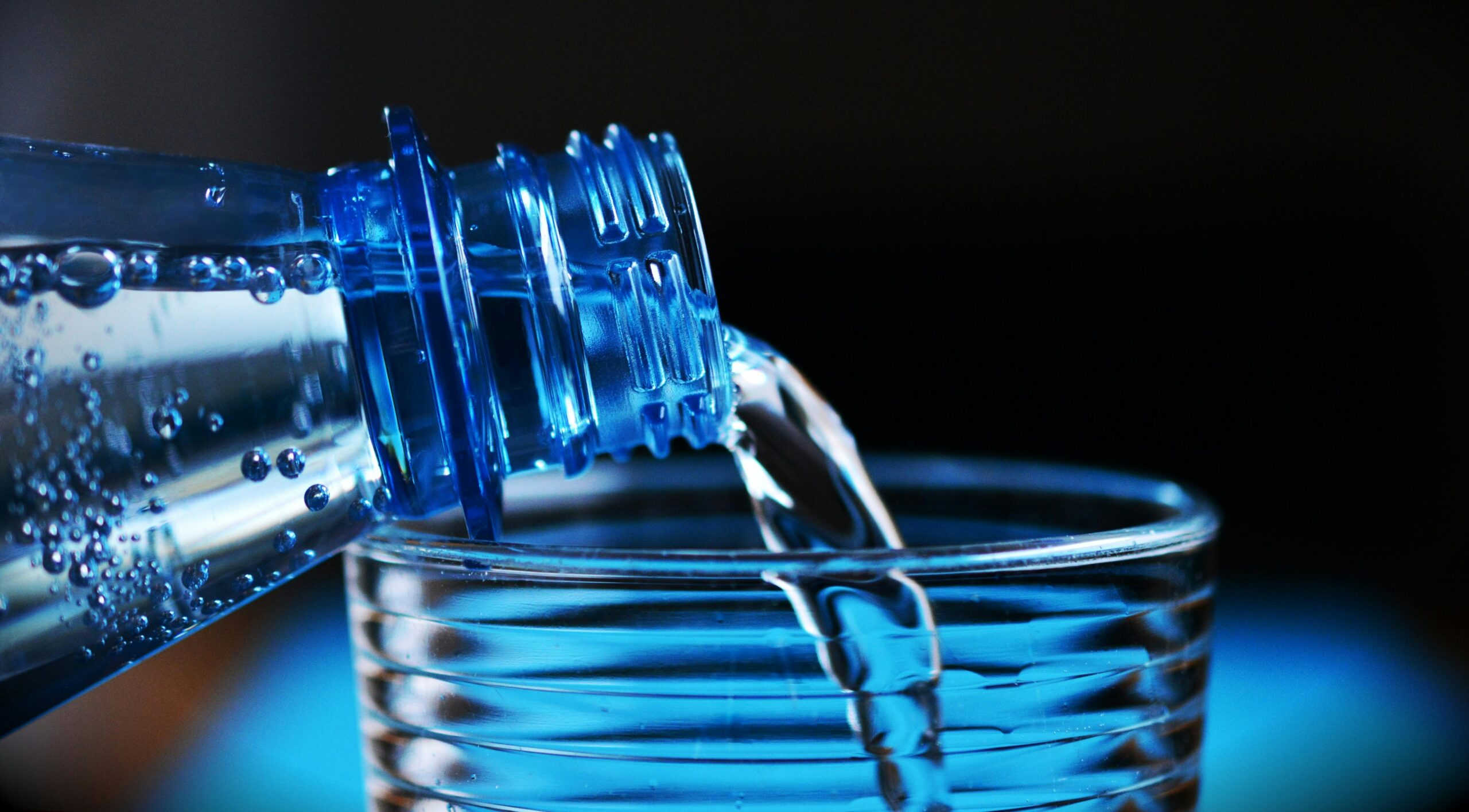
Staying well hydrated is essential for your body to function properly. Even a slight dehydration can cause headaches, dizziness, fatigue, drowsiness, reduced stamina, endurance and performance. Water is an important component of our body, essential for cell function, thermoregulation, nutrient transport, nervous system function and excretion. But when, how much and what type of fluid do we need? This article explains in more detail.

When and how much should we drink?
Generally speaking, dieticians recommend drinking at least 8 glasses (2-2.5 dl/glass) of fluid per day. As there can be significant individual differences in our fluid intake and our needs depend on our age, body size, outside temperature, humidity, physical activity and health, the amount, frequency and colour of our urine can be a tell-tale sign, as well as the amount we drink.
If you have an urge to urinate every 2-3 hours and your urine is pale yellow, not opalescent, you are well hydrated. The first urine in the morning may be slightly darker yellow and thicker, but this is normal. In addition, different foods (such as beetroot and asparagus) can affect the colour or smell of your urine, which is also perfectly normal. Dark yellow or orange urine during the day is a sign of dehydration, in which case we are definitely not drinking enough fluids. Whitish, opalescent urine can be a sign of cystitis or inflammation, and completely transparent and frequent urine can be a sign of diabetes, so it’s worth seeing your GP. If your urine is as described above, you are drinking enough fluids.
Other signs of dehydration can include poor concentration, fatigue, headaches, nausea, poor performance or even a feeling of hunger. When these symptoms occur, remember to stay hydrated and avoid caffeinated drinks if possible.
Another commonly used recommendation is that you need 4 dl of fluid per 10 kg of body weight. This suggests that a 70 kg adult should consume 2.8 litres of fluid per day. This includes the fluid content of food in addition to the fluid consumed, so it is a little more difficult to measure, but if you prefer this method, it can be used.
Humid heat, various infections and increased physical activity all increase fluid needs, so increase intake and you may also need to replenish electrolytes (e.g. in the case of intense exercise, vomiting or diarrhoea).
What to drink?
Clean water (tap water, filtered water, still mineral water) is the best choice. The recommendation above is that you should drink at least 5 of the 8 glasses of fluids. To enrich your fluid intake, you can drink up to 3 glasses of unsweetened tea, 100% fruit and vegetable juices diluted, smoothies, pressed juices, but avoid carbonated and sugary drinks if possible. You can also get significant amounts of fluids into your body by eating juicy fruit, vegetables, soups and stews.
Caffeinated drinks, soft drinks as a source of fluid?
Here we would also like to mention caffeinated drinks. As well as being stimulating, caffeine also has diuretic properties, so drinks containing it are not suitable for hydration. A maximum daily intake of 300 mg of caffeine (about 2-3 cups of coffee) is recommended. Caffeine is found in green, black and white tea, energy drinks, caffeinated pre-workout shakes, cola, many bottled teas and small amounts of chocolate. The caffeine content of these all count towards the 300 mg mentioned above. Because of their diuretic effects, these drinks should not be included in your daily fluid intake.
Sugary soft drinks have a high energy content. They provide large amounts of calories easily, quickly and unnoticed, without reducing hunger. This property increases the risk of obesity. While their sugar-free, zero-calorie counterparts have no or less energy, their sweet taste tricks our brains and can increase appetite and indirectly contribute to higher calorie intake. With all this in mind, choose water if you can.
In summary, adequate fluid intake is key to good health. Choose clean water whenever possible and monitor the colour of your urine to monitor your hydration. Drink according to your thirst during exercise and only use sports drinks when justified.
Source: Semmelweis University, Health Promotion Centre, Budapest